Fishing for beginners in Ontario
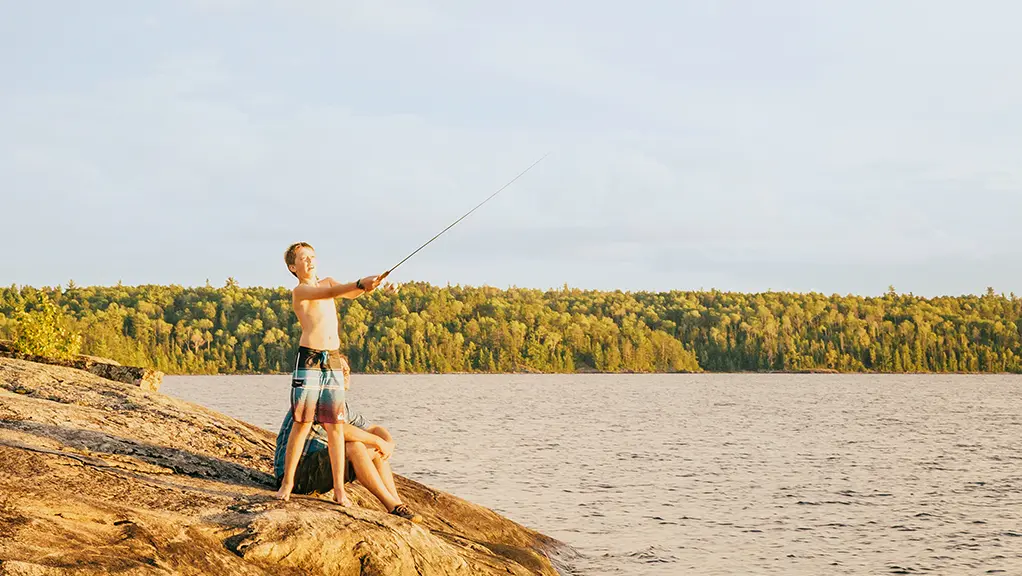
Northwest Ontario
Fishing is steeped in tradition, with one generation handing down knowledge to the next. However, today, there are many great resources to help beginners and families new to fishing enjoy this popular pastime.
Learn about all the rules and regulations for recreational fishing in Ontario in the annual Ontario Fishing Regulations Summary. It provides up-to-date information about licences, seasons, catch limits, fishing zones and more. In addition, Fish ON-Line is a useful tool to help plan your fishing trip, check fishing rules and identify Ontario sport fish.
Get an Ontario fishing licence
The first step to fishing in Ontario is to get a fishing licence.
Canadian residents between 18 and 65 need a fishing licence to fish in Ontario, whereas residents under 18 and over 65 do not. All non-residents over the age of 18 also require a licence.
Ontario fishing fees vary depending on the licence duration and types of fishing (conservation versus sport). Sport licences allow you to catch and keep more fish than a conservation licence, but generally cost more. Conservation licences are practical if you plan to release most of the fish you catch.
Licences can be purchased at local bait shops and Service Ontario locations. Another option is to buy a fishing licence online at the Fish and Wildlife Licensing Service. All proceeds from fishing licences in Ontario go towards ensuring fish populations survive and thrive. This includes fish stocking, research, monitoring and conservation programs.
Free family fishing days
Four times a year, there’s an opportunity to enjoy free fishing weekends in Ontario. If you are a Canadian resident, you can fish without a licence on four free fishing occasions as long as you still obey all the Ontario fishing regulations.
The dates are:
- Family Fishing Weekend (February 14–16, 2026)
- Mother’s Day Weekend (May 9–10, 2026)
- Father’s Day Weekend (June 20–21, 2026)
- Ontario Family Fishing Week (June 27–July 5, 2026)
These events are designed to encourage families to fish together in Ontario. The province also offers a free learn-to-fish program that introduces kids, teens and adults to fishing.
What fish are in season in Ontario
Once you’ve got your fishing licence, it’s important to know which fish you’re allowed to catch throughout the year. This depends on where you’re fishing, when you’re fishing and what you’re fishing for.
The Ontario Fishing Regulations divides Ontario into different zones, seasons and species of fish. You can also learn more about seasonal fishing opportunities available throughout the year in Ontario.
Best fish for beginners
While there are many different fish species in Ontario’s waterways, the best fish for beginners are those that you will actually catch.
Start small and easy. Sunfish are perfect for beginner anglers of all ages. They are small, colourful panfish, including Bluegill and Pumpkinseed, that can be found nearly anywhere. Bass are also very common and relatively easy to catch.
From there, you’ll want to target catfish, trout, walleye and crappies. Your location, season and time of day will all affect your success while fishing, so do your research, use the appropriate bait and bring plenty of patience.
Use this handy fish identification chart and learn more about the popular sport fish species in Ontario.
Choosing a fishing rod
Getting set up with the right gear is integral to the sport and your level of success. Choosing your fishing rod is a big first step.
A spinning rod is often the best solution for beginners. With a spinning reel mounted on the bottom of the rod, these rods are suitable for casting with a lure or while using bait like worms. They can be used from the shore or on a boat, making them a versatile option for beginners. Reel and rod kits can be found wherever you shop for angling gear.
These rods are generally made from fibreglass or graphite. Most beginners start with a fibreglass rod as they’re cheaper and a little more robust. Graphite is lighter, stiffer and more expensive, but is generally what you graduate to once you’re really into the sport.
A telescopic rod may also fit your lifestyle. As the name suggests, the rod is collapsible, making it easier to store when not in use. It’s great for travelling or stowing in the trunk of your car until your next opportunity to use it.
Building a tackle kit
While you may have a reel and rod, it’s useless without a tackle kit. Simply put, a tackle kit should have everything you need for a day on the water. That includes bait, lures and all the tools that go along with it.
You’ll choose which bait or lures to use based on the species of fish you’re trying to catch. If you already have a location in mind, do your research: figure out which types of fish are in that body of water and the lake’s conditions, like whether it has a sandy, rocky or seaweed-filled bottom and then choose your lures accordingly.
Find fishing supplies and speak with fishing professionals at small or large-sized fishing retailers in Ontario. In addition, the Ontario Federation of Anglers and Hunters offers a great tackle-share program that loans out fishing gear, like rods, reels and tackle boxes, for free at participating local libraries, parks and conservation areas.
Bait versus lures
Once you know what you’re fishing for, you’ll need to decide whether you want to use bait or a lure.
Baits and lures are both used to attract fish and encourage them to bite your hook, but you need to present the fish with something that’s appetizing. Baiting means putting live bait, such as worms, on a hook.
Artificial bait or lures come in all shapes, sizes and colours, and are sometimes made to resemble the food fish typically eat, such as worms or frogs.
Tackle box extras
There are some items that every good angler includes in their tackle box. They include:
- Needle-nose pliers: Having a pair of needle-nose pliers can help remove your hook from the fish’s mouth. They’re also a handy tool for removing the barbs from hooks. It’s a good practice to remove barbs from hooks if children are fishing with you to avoid cutting fingers. Simply squeeze the barb together with the pliers to remove it.
- Scissors or nail clippers: Another great tool to have on hand is a pair of small scissors or nail clippers. Use them to cut lines, remove lures or deal with a tangled line.
- Snap swivel: Resembling a safety pin, it is the perfect tool for beginner anglers. It allows you to quickly change lures without cutting your line and retying.
- Bobbers: Great for keeping your bait or lure off the bottom of the lake, caught in seaweed or debris or floating it in front of a fish’s face. When bobbers get pulled underwater, it’s a good indication that a fish is biting.
- Net: Use a net when you get a fish on the line but can’t quite grab it safely. They also help keep the fish safe.
- Camera or phone: While not technically part of a tackle kit, a camera gives you proof of your catch.
Ice fishing in Ontario
Of course, it isn’t summer all year long. With winter comes ice fishing, and there are many places in Ontario for beginners to try it out.
If it’s your first time out, hire a local Ontario fishing guide so you can learn from an expert while enjoying a day out on the water. They will also ensure the ice is safe.
Some of the best ice-fishing places in Ontario are also among the most accessible, like Lake Simcoe, Lake Nipissing, Lake of the Woods and Rice Lake. Learn more about the variety of ice fishing destinations, lodges and outfitters in Ontario.
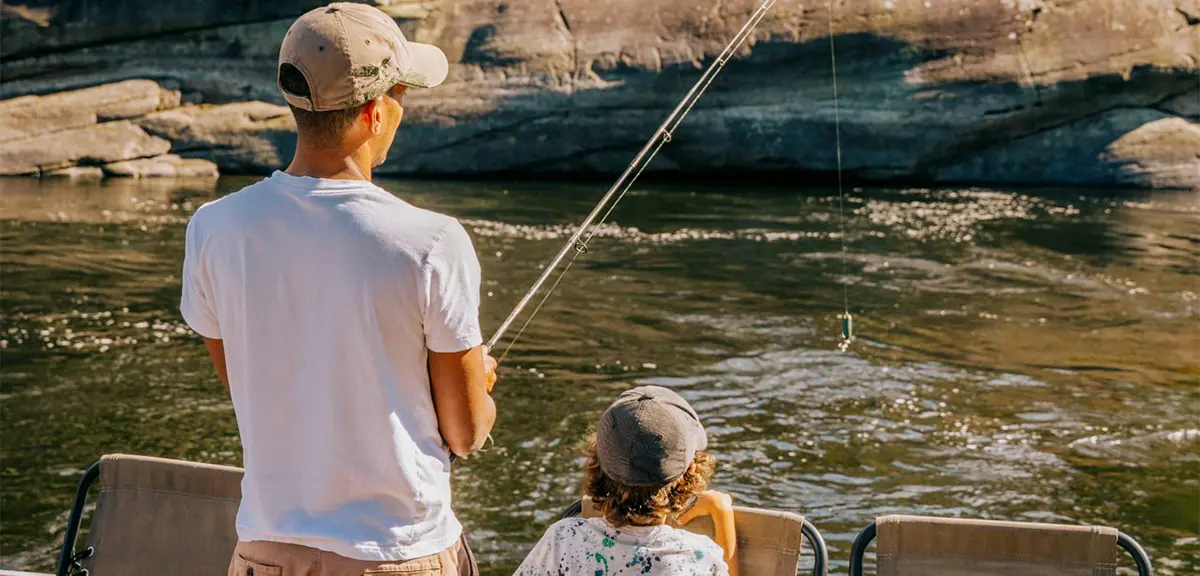
A great way to get started fishing is to hire a local Ontario fishing guide or boat charter so you can learn from an expert, while enjoying a day out on the water.


Last updated: May 21, 2026