Rules for out-of-province hunters in Ontario (non-residents)
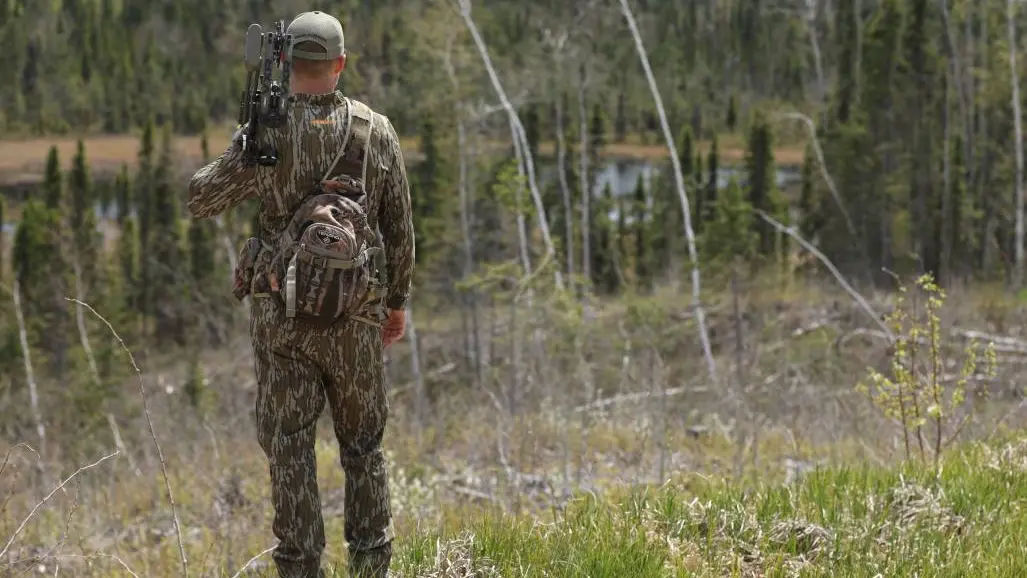
Algoma Country | Beasley Brothers Outdoors Inc.
Hunting rules, regulations and licensing differ between residents of the province and those who live outside of Ontario but are travelling to the province (non-residents).
Here is some basic planning information for out-of-province visitors interested in hunting in Ontario.
Visit the Ontario Hunting Regulations Summary for full details on everything you need to know in order to legally hunt in Ontario.
Find more information on huntable public land as well as top Ontario hunting lodges, outfitters and guides.
When hunting in Ontario, all federal firearm regulations regarding the declaration and transportation of non-restricted firearms must be followed, and appropriate documentation must be carried. It’s also important to note that firearms are forbidden in many of Canada’s national and provincial parks, game reserves and adjacent areas.
Requirements for non-residents
The Ontario Hunting Regulations is an annual summary of the rules and regulations for hunting in Ontario. It provides information about hunting licences and fees, as well as up-to-date regulations and seasons for each game species.
The document also provides valuable information for visiting hunters travelling to Ontario to legally and safely hunt in the province.
It’s important to note that out-of-province hunters must be at least 16 years old to hunt in Ontario.
Additional requirements for non-resident hunters in Ontario include an Ontario Outdoors Card (with hunter accreditation), applicable hunting licence(s) and hunting tags for some species. Your licence summary and Outdoors Card must be carried while hunting, along with any associated tags for the species you are hunting. You must meet the federal firearms accreditation requirements to hunt with a gun.
Hunter accreditation
Valid hunter accreditation is required to purchase a hunting licence in Ontario. Before you can buy hunting licences and tags, submit your accreditation to the Fish and Wildlife Licensing Service. This can be done in advance of your arrival.
If you do not possess valid accreditation from a recognized jurisdiction, you’ll need to complete the Ontario Hunter Education Program and examination and submit the examination report to the Ministry of Natural Resources.
An Ontario Outdoors Card
An Outdoors Card is a wallet-sized identification card issued by the Ministry of Natural Resources, allowing you to purchase hunting and fishing licences. It is valid for three calendar years.
Licences and tags
Species-specific non-resident hunting licences are required for hunting big game (moose, deer, elk and black bear) and a non-resident small game hunting licence for other species like rabbits, squirrels, grouse, wild turkey, wolf and coyote. Tags are also required for big game, wild turkey and wolf/coyote in certain areas of the province. A Black Bear Hunting Validation Certificate is also required by non-residents hunting black bear in Ontario.
Visit a licence issuer or Service Ontario to purchase your Outdoors Card and non-resident hunting licence and tags. Your hunting accreditation will be forwarded to the Ministry of Natural Resources for processing by the Fish and Wildlife Service. There is also an option to submit hunting accreditation by email.
Some exceptions and restrictions apply. Additional requirements include obtaining an export permit to bring big game animals or their parts home and completing a mandatory hunter report.
Non-residents who wish to hunt moose or bear in Ontario must contract the services of a licensed black bear operator or moose tourist outfitter. Learn more about hunting with a licensed bear operator or hunting moose with a tourist outfitter.
Note that non-residents are allowed to purchase a non-resident moose hunting licence and hunt moose with an immediate relative (grandparent, parent, spouse, child, sibling or grandchild) who is an Ontario resident and holds a valid moose tag during an open non-resident season.
Be sure to check the most recent bear hunting season dates and the open season dates for white-tailed deer and for moose.
Bringing a firearm into Canada
All travellers, including hunters entering Canada from the United States, must declare all firearms and weapons to a border services officer upon arrival, and provide all required documents.
The Canada Border Service Agency (CBSA) officer may verify your declaration. They must be satisfied that you have a valid reason for bringing firearms into Canada and they may check to ensure that you have stored your firearms properly for transportation. The officer will also review your documents and may verify that the firearms you have match those described in the documents.
If you have declared firearms but cannot meet the import requirements, or you do not have the proper documents, the border services officer may, at his or her discretion, allow you to export the firearm from Canada. Alternatively, they may detain the firearm, issue you a receipt and allow you a reasonable amount of time to present the correct documents to the CBSA.
Answer questions truthfully. If you do not declare the firearm or are untruthful, the CBSA may seize it, and you may face criminal charges and/or monetary penalties.
In many cases, a Canadian Firearms Licence (Possession and Acquisition Licence [PAL]) is required to import firearms to Canada.
Review the most up-to-date information from the Canadian Border Service Agency and the Royal Canadian Mounted Police (RCMP), including the complete list of weapons prohibited from being brought into Canada.
Options for firearm licence
American hunters entering Canada to hunt have two options for meeting Canadian licensing requirements for their firearms: a 60-day licence and a 5-year licence.
Choose the best option for you and complete all paperwork before arriving at the border crossing.
60-day licence
Declare firearms in writing to a Canadian Border Services agent at the point of entry to Canada, using the Non-Resident Firearm Declaration (form RCMP 5589).
Filling out the form in advance saves you time at the border, but do not sign it. You must sign it in front of the CBSA officer at the border crossing. The cost at the border is $25 CAD, regardless of the number of firearms listed, and it is valid only for the person who signs it and only for the firearms listed on the form.
Once the officer confirms this declaration, it serves as a licence for the owner and is valid for 60 days. In Canada, the declaration can be renewed free of charge by the Chief Firearms Officer (CFO) of the province where it was granted, before it expires.
Contact the Canadian Firearms Program for more details.
Five-year licence
The second option is to apply for a five-year Possession and Acquisition Licence (PAL).
To apply for a PAL, applicants must provide evidence that they have passed the written and practical tests of the Canadian Firearms Safety Course. A course from another country does not meet Canadian legal requirements.
It’s important to note that non-residents must be 18 years of age or older to obtain a full Possession and Acquisition Licence (PAL).
Contact the RCMP Canadian Firearms Program for more details and to get all applicable forms for the safety course.
From crossing the border and travelling with a hunting firearm to acquiring the required licensing, hunters must follow the rules, but it is well worth the effort to hunt in Ontario, especially for big game like deer and moose.
Last updated: May 14, 2026