Winter camping in Ontario
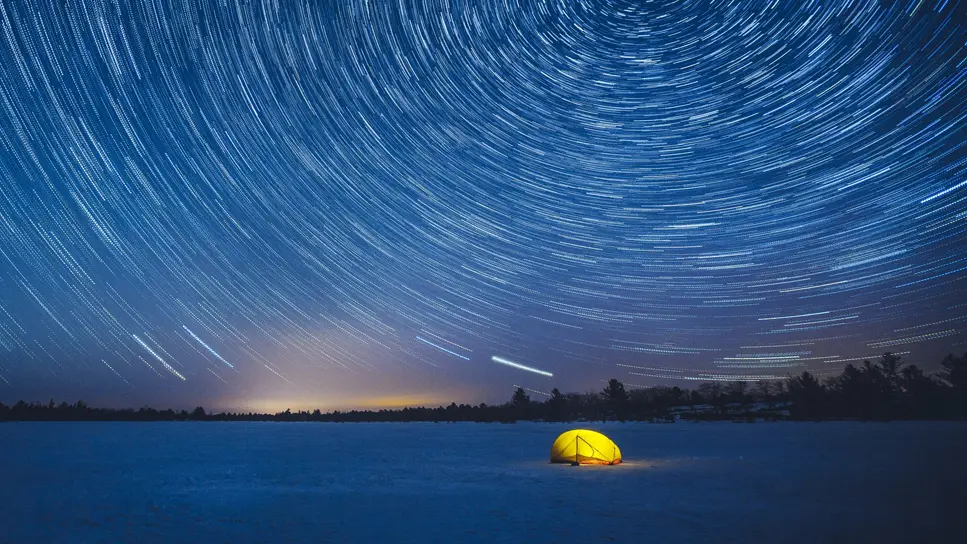
Torrance Barrens, Muskoka
Extend your camping season into the cold-weather months on a winter camping getaway.
Camping in the cold is more challenging than during the warmer seasons. But with a cautious mindset, the right gear and well-developed skills, winter camping is a truly fulfilling experience. The best way to start is to take a course or a guided trip with expert supervision. Experienced winter campers will enjoy the variety of cold camping opportunities in Ontario.
Discover the best destinations for winter camping and learn about the gear and skills you’ll need for the adventure of a lifetime.
Types of winter camping
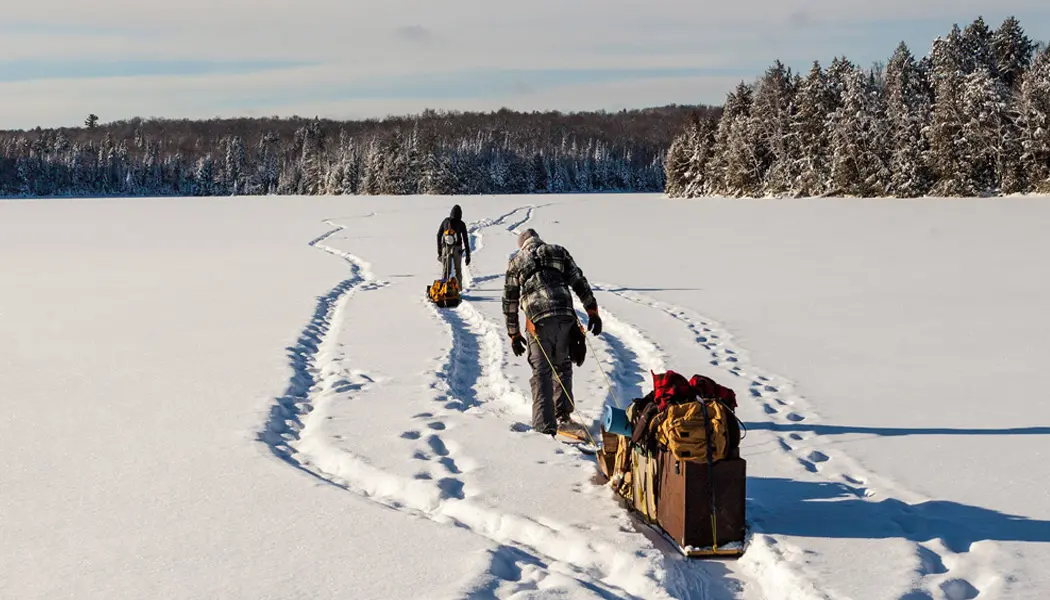
During the winter, several Ontario parks offer a variety of winter experiences, including front-country, back-country and yurt camping.
Avoid winter camping on designated summer sites, as they’re often ecologically sensitive or unsafe in winter. Be mindful when cutting dead timber to avoid creating eyesores.
Front-country winter camping
Front-country camping refers to drive-in campgrounds that are easy to access. Some campgrounds continue to sell firewood, maintain comfort stations and provide access to great snowshoeing and cross-country skiing trails in the winter.
You may choose to rent a four-season tent and sleeping bags from a local outfitter. A four-season tent is designed for heavy snow loads and strong winter winds. In mild temperatures and the controlled environment of a campground, you can get by with a three-season tent and multiple layers of summer-weight sleeping bags.
Backcountry winter camping
For a more challenging adventure, backcountry opportunities are available in many of the same locations that make Ontario an iconic summer destination for wilderness camping, but with far more silence and solitude.
Winter camping in Ontario’s backcountry should only be done by experienced campers with advanced outdoor skills and careful judgment.
Cold-weather backcountry camping demands specialized equipment, such as windproof four-season shelters or canvas tents with compact woodstoves and winter-rated sleeping bags. Because backcountry locations have limited cell service, consider buying or renting a satellite communication device.
Special rules may apply for backcountry winter camping, with specific sites available for environmental and safety reasons.
For an alternative to winter camping, explore Ontario’s yurt and cabin accommodation options.
Where to go winter camping
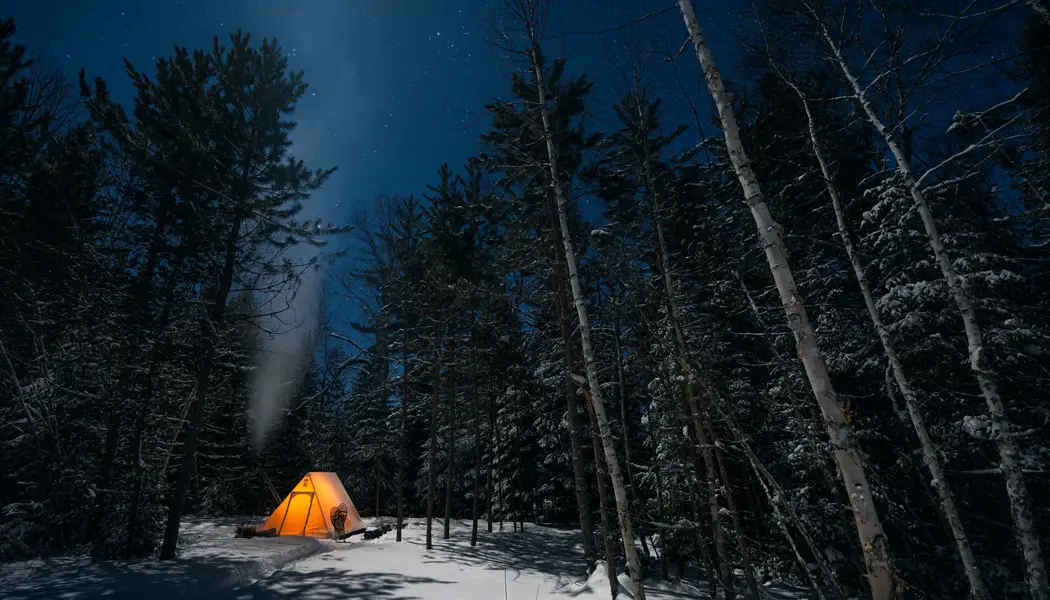
Ontario is one of the best places to go winter camping, with drive-in sites, backcountry camping and yurt or cabin-based stays. Make Ontario Parks reservations well in advance.
Here’s a list of some of the best winter camping parks in Ontario.
Algonquin Provincial Park
Ontario’s most popular park is a great destination for winter camping.
Front-country winter camping
Algonquin operates Mew Lake Campground on Highway 60 year-round, with over 100 electrical and non-electrical sites, six heated yurts and a comfort station with hot showers and flush toilets. Make reservations in advance to confirm your site.
Nearby trails include the Old Railway Trail for cross-country skiing, snowshoeing and fat biking and Bat Lake and Two Rivers trails for snowshoeing. An outdoor skating rink is maintained at the campground.
Backcountry winter camping
Algonquin also offers excellent opportunities for backcountry winter camping, such as along the Western Upland or Highland long-distance backpacking trails. You can also park at the Algonquin Art Centre or Mew Lake Campground along the Highway 60 corridor and set off into the backcountry by ski or snowshoe. Contact the park at 705-633-5572 to inquire about the status of other access points for winter trips.
Avoid setting up your winter camp at designated summer campsites and stay at least 30 metres from trails, portages or lakeshore areas to minimize environmental impacts.
Backcountry camping permits are required. Make reservations online or pick up permits at Algonquin’s West Gate or East Gate entry points.
Locations:
- West Gate, Highway 60, Frank MacDougall Parkway, Whitney
- East Gate, Highway 60, Frank MacDougall Parkway, Algonquin Provincial Park, Whitney
Quetico Provincial Park
Northwest Ontario’s flagship park southeast of Atikokan remains open for winter camping.
Front-country winter camping
Dawson Trail Campground maintains five sites for winter use. Three of the sites have electrical service. However, the comfort stations are closed, so you must bring your water. Quetico also offers three rustic cabins at Dawson Trail, complete with a bed and sofa bed, kitchenette and cozy woodstoves.
Find access to 15 kilometres of cross-country ski trails and snowshoeing on the French Portage and French Falls trails from the campground. Snowshoe rentals are available at Wilderness Supply and skis from Fresh Air Experience in Thunder Bay.
Backcountry winter camping
The parking areas at Dawson Trail and Nym Lake are accessed from Highway 11 and provide winter access to Quetico’s backcountry, with self-serve backcountry permit stations to pay for and register your trip. Travelling the Quetico interior is not for the inexperienced. Large, traditional wooden snowshoes work best in Quetico’s relatively flat landscape and toboggans work best for hauling gear.
Location: ON-11, Atikokan
Bruce Peninsula National Park
Winter delivers a unique beauty to Bruce Peninsula National Park, with magnificent ice sculptures along the Lake Huron shore.
Front-country winter camping
Front-country winter camping is offered in the Tamarack section of the Cyprus Lake Campground, with over 75 non-electrical sites and heated yurts available for reservation.
You’ll need to carry or toboggan your gear and supplies from the parking area to the campsite. Camping services are limited in winter, so bring water and be prepared to use a pit privy. Firewood is available for purchase at the Cyprus Lake Campground office.
Enjoy winter hiking and snowshoeing on the trails, including a five-kilometre loop around Cyprus Lake and access to the Lake Huron coastline via the Horse Lake Trail.
Backcountry winter camping
You can also hike to several remote backcountry campsites in Bruce Peninsula National Park; expedition backpacks and alpine-style snowshoes are best for this terrain. The hike from the parking lot to the campsites at Stormhaven is about four hours and the trek to the sites at High Dump is over eight hours. Make Parks Canada reservations online.
Location: Tobermory
Limberlost Forest and Wildlife Reserve
Limberlost Forest is a vast oasis of freshwater lakes and hardwood hills near Huntsville.
Front-country winter camping
The park features over 50 front-country campsites for winter camping and cottage rentals. Explore cross-country skiing and snowshoeing trails through landscapes similar to nearby Algonquin Provincial Park.
Location: 1002 Buck Lake Landing Road, Huntsville
Killarney Provincial Park
Ontario’s crown jewel, Killarney is a great destination for winter enthusiasts.
Front-country winter camping
George Lake Campground is stunning under a blanket of snow. You’ll need to walk a short distance to reach over 140 front-country campsites, available to book online. Six heated yurts and two cabins are also available.
The park provides outhouses for winter campers, sells firewood and rents snowshoes. Running water and indoor toilets are available at the Park Office. To access your George Lake campsite in winter, haul your gear a short distance by backpack or toboggan.
Backcountry winter camping
While George Lake is beautiful and provides good access to popular trails like Cranberry Bog and Chikanishing, Killarney’s backcountry is even more spectacular. This remote wilderness park’s 49,000-hectare backcountry is vast and camping possibilities are nearly endless.
Purchase backcountry camping permits online, at the George Lake campground office or the Bell Lake backcountry access point on Highway 637.
Location: 960 ON-637, Killarney
Silent Lake Provincial Park
Located off Highway 28, south of Bancroft, Silent Lake has an impressive network of groomed cross-country skiing and snowshoe trails.
Front-country winter camping
Get a taste of winter camping at the year-round drive-in campground. Non-electrical campsites are available on a first-come, first-served basis, while electrical sites can be reserved online.
The park maintains a comfort station for winter use, sells firewood and offers snowshoe rentals.
Location: 1589 Silent Lake Park Road, Bancroft
Frontenac Provincial Park
Located on Salmon Lake Road, off Highway 19, north of Kingston, Frontenac offers a wilderness skills program.
Backcountry winter camping
Put your skills to use on an overnight trip to one of Frontenac’s interior backcountry campsites available for winter reservations, with access ranging from an easy 20-minute walk to longer treks. Prepare to haul your gear by backpack or toboggan.
The park grooms an eight-kilometre network of cross-country ski trails and features over 100 kilometres of hiking trails ideal for snowshoeing. Check out the winter park map.
Location: 6700 Salmon Lake Road, Sydenham
Temagami
An hour’s drive north of North Bay on Highway 11, the quintessential Ontario canoe country of Temagami becomes a dream destination for experienced backcountry winter campers when the snow falls.
Backcountry winter camping
The most accessible portions of the Temagami backcountry are made up of crown land, where Canadian residents can camp free of charge. The first challenge of planning a winter trip on crown land is finding a secure and plowed place to park. A good option is near the five-kilometre mark on the Central Lake Temagami Access Road, a well-maintained road located just south of the village of Temagami off Highway 11.
Heading west from this location, you’ll discover frozen lakes and easy portages (often travelled by snowmobiles) to Iceland and Driftwood lakes, with excellent opportunities to set up camp and explore.
Location: Temagami
Sleeping Giant Provincial Park
Despite its proximity to the city of Thunder Bay, the backcountry of Sleeping Giant Provincial Park is very remote in the winter months, separated from civilization by Lake Superior’s ever-changing weather and abundance of snow.
In addition to backcountry camping, five rustic cabins are available to rent year-round.
Backcountry winter camping
Several hiking trails are open for off-season adventures and backcountry camping for experienced winter backpackers. Get winter camping permits in advance.
Access the South Kabeyun Trail via Highway 587. It traces the Lake Superior shoreline and features spectacular views, including an arched rock formation known as the Sea Lion. Find camping opportunities at Tee Harbour and Lehtinen’s Bay.
Snow conditions along the trail are variable depending on the wind conditions, ranging from glare ice to deep drifts. Wear large metal snowshoes with crampon grips and carry gear in an expedition backpack.
Location: R R 1, Pass Lake
Guided winter camping trips and rentals
Learn how to winter camp with an instructional course or on an expert-led trip. These Ontario outfitters offer winter camping instruction and guided trips in some of the province’s most popular winter camping spots. Equipment rentals let you try winter camping before buying.
Voyageur Quest
Offers an all-inclusive overnight introduction to hot winter camping from the western edge of Algonquin Provincial Park, near South River.
Algonquin Basecamp
Based in Kearney, on the western border of Algonquin Provincial Park, this company offers complete outfitting for cold and hot winter camping, custom packages for individuals and groups and weekend instruction.
Lure of the North
A Sudbury-area outfitter that offers guided trips and instruction along with everything you need for a self-guided winter adventure, including canvas tents, toboggans, snowshoes and sleeping bags.
Algonquin Outfitters
Rents four-season tents, stoves, cold weather sleeping bags and pads from Oxtongue Lake post on Highway 60, minutes from Algonquin Provincial Park’s West Gate.
Frontenac Outfitters
Located adjacent to Southeastern Ontario’s Frontenac Provincial Park, Frontenac Outfitters rents woodstoves and insulated tents for hot camping, as well as snowshoes and winter-rated sleep systems.
Thames Valley Outfitters
Thames Valley Outfitters offers fully outfitted, pre-designed and customizable camping packages that can be delivered. While based in London, delivery options extend beyond the London area.
TripShed
In addition to organizing custom adventures, TripShed offers camping equipment and gear rentals, including winter tents, sleeping bags, stoves, snowshoes and poles.
Winter camping equipment
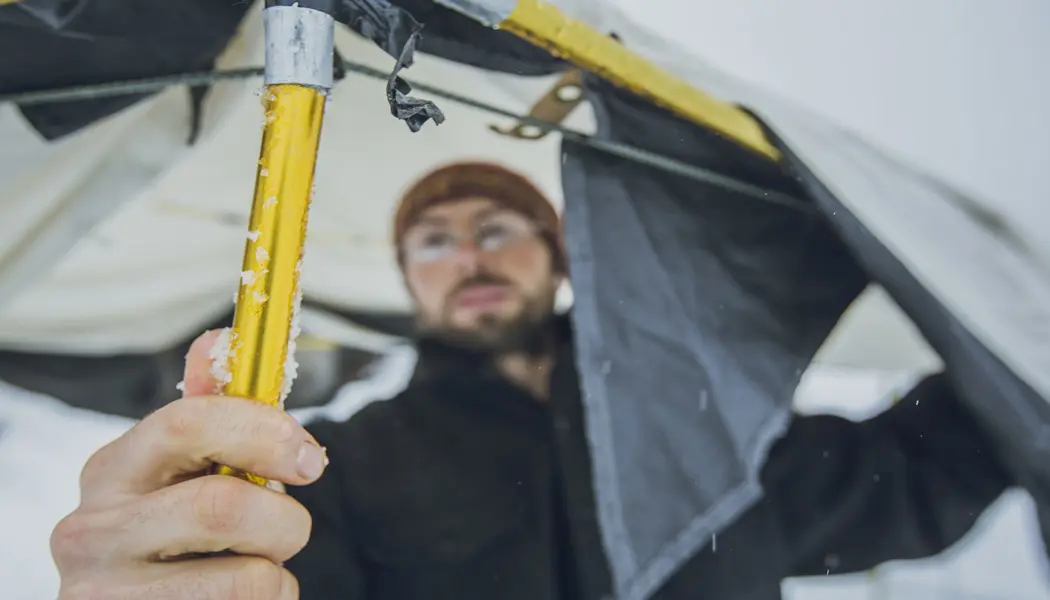
There are two distinct approaches to winter camping: alpine-style cold-weather camping or traditional hot-tenting. Each style has its own attributes, limitations and winter camping essentials.
Learn the basics of what you’ll need for each style of winter camping.
Cold camping
Cold camping draws on the style of mountaineers, who rely on extra-warm sleeping bags, four-season gas cooking stoves and sturdy nylon tents.
Gear is lighter and packs up smaller than a hot tent kit, allowing you to carry it in a backpack or a compact sled and travel overland in steep terrain. Stay warm by eating high-calorie meals and wearing layered clothing. Pack enough fuel for cooking and for melting snow.
Cold winter camping is often a good option on backpacking trails like the Highland Trail in Algonquin Provincial Park. Snowshoes are essential for mobility and packing out a tent site.
Hot camping
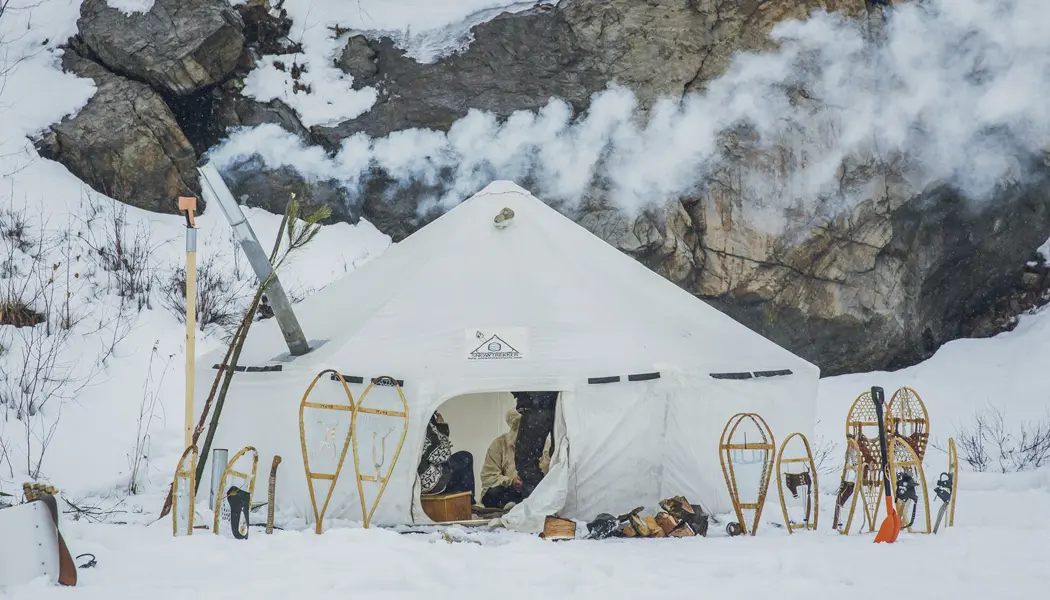
Traditional winter camping with canvas-wall tents and portable woodstoves has become increasingly popular.
You can hot tent in front-country campgrounds or pack your gear on a toboggan and venture into the backcountry—the way Indigenous trappers and coureurs des bois did. This style of travel is suited to the frozen lakes and portages of Ontario’s canoe country.
Most hot winter campers carry an ice chisel or auger to cut through frozen lakes and ponds to access water for cooking and drinking (all water should be boiled before drinking to avoid illness). When setting up your shelter and woodstove, ensure there is plenty of space between hot surfaces and fabric tent walls.
Hot tenting requires considerable effort in travel, setting up camp and processing wood, so it’s a great option with a larger travel group.
What you’ll need for winter camping
Regardless of the style of winter camping, you’ll need much of the same gear—with a few key differences. Here’s a list of the gear you’ll need, with specific notes for cold and hot camping.
Shelter
Your choice between a nylon dome, tunnel-shaped tent, canvas A-frame, wall tent, or yurt will define your winter camping style.
Many first-timers use a lightweight, three-season tent for cold camping. Some prefer an ultralight combination of shaped snow walls for wind protection and a tarp for shelter overhead.
The design of a hot tent determines its ease of setup and interior space. A-frame models (Snowtrekker is a popular manufacturer) come with internal aluminum frames that go up fast and work well as a single shelter for groups of three or fewer.
Tools
A bow saw and an axe are essential for cutting and splitting dry firewood for a hot camping setup.
For hot winter camping, it’s also handy to pack an auger or ice chisel to break through ice and access water. Remember to boil the water before drinking to kill any pathogens.
Bedding
For either winter camping style, invest in a quality, winter-rated sleeping bag, ideally insulated with water-resistant down. Select a self-inflating or insulated air mattress designed for four-season use to prevent heat loss from the cold ground.
Clothing
Dress in layers to manage sweat and moisture and protect from chilling winds. Long underwear tops and bottoms, thick wool socks, fleece mid-layers and a windproof shell for your upper body and legs are typical for a day of winter travel. Bring a second set of warm layers, such as heavyweight fleece long underwear tops and bottoms, to wear in camp.
A puffy jacket insulated with down or synthetic fill is critical for staying warm. Store a change of clothing outside your tent in case of a tent fire. Bring a spare pair of gloves, a light pair of mitts and a heavy pair of mitts for the coldest days. The same goes for hats and toques.
Your choice of daytime footwear depends on your mode of transportation: specialized boots for backcountry skiing or warm pack boots or winter moccasins for snowshoeing. It’s a good idea to bring a second pair of boots (or a dry set of boot liners) for use in camp.
Food and cooking
For cold camping, bring easy-to-prepare, calorie-dense meals to keep your belly full and minimize time spent burning fuel with the gas stove. High-calorie snacks like nuts and seeds are excellent additions. Energy bars and other snack food items turn rock-hard in the cold, so pack accordingly.
Hot campers have more options for trip menus because their cooking isn’t limited by fuel supply and the woodstove makes an excellent cooking surface inside the tent.
For cold camping, you can get by cooking on an open fire, but a single-burner gas stove is best for preparing meals and boiling water. You’ll need a liquid fuel stove that burns white gas or kerosene for greater efficiency, as most canister fuels don’t work well in sub-zero temperatures. Plan on one litre of fuel for each day of cooking and melting snow.
For hot tenting, you’ll need a portable woodstove and sections of stovepipe, often with an elbow section to allow the chimney to exit the tent. Ensure your stovepipe diameter matches the size of the tent's pipe exit panel (or stove jack). Hot winter campers often use their woodstove as a cooktop to prepare meals and boil water.
Transportation supplies
If you’re travelling any distance, you’ll need a way of carrying your gear. Expedition hiking backpacks work best for rugged terrain and lighter cold camping loads. Haul your gear on a sled, pulk or toboggan on flatter terrain, such as easy trails and frozen waterways.
Skiing is great for winter camping travel. Look for wider backcountry skis and sturdy boots to push through ungroomed snow.
Most traditional hot campers get around on large traditional wood-framed snowshoes, which create a better “float” of packed snow for hauling toboggans. They’re faster than modern metal-framed snowshoes on flat terrain and frozen waterways. On the other hand, modern alpine-style snowshoes are best for technical trails and lighter backpack loads.
First aid kit
Always pack a first aid kit. Some medications, such as EpiPens, must be kept close to the body to avoid freezing.
With the appropriate equipment, gear, training, experience and a sense of adventure, winter camping in Ontario is an unforgettable way to experience the unique beauty of the season.


Last updated: July 17, 2026