Guide to wildlife viewing and photography in Ontario
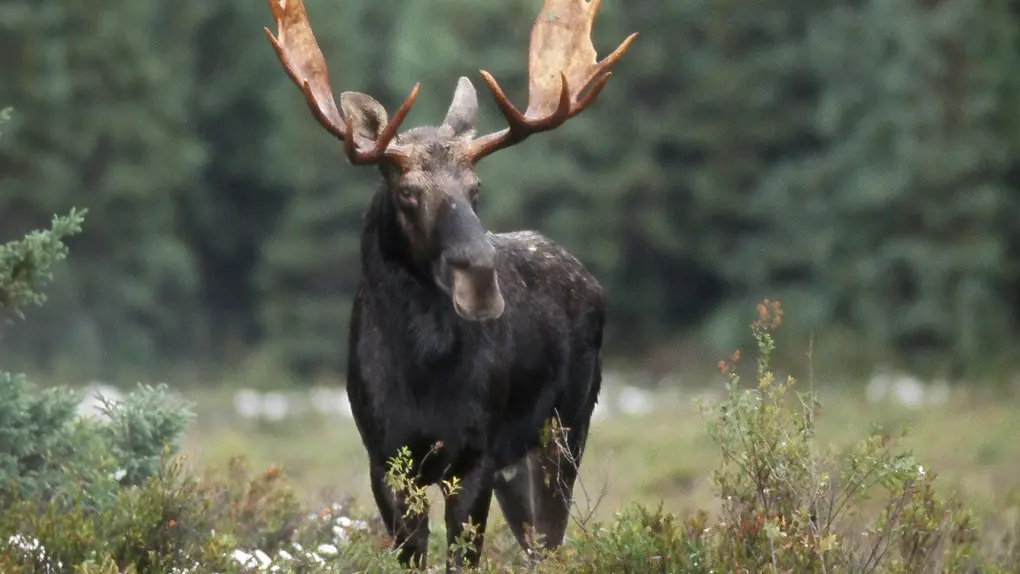
Algonquin Provincial Park
Ontario is vast with varied habitats and landforms, including leafy southern forests, mixed woods of Algonquin Park, endless expanses of boreal forest, the Great Lakes, the glacier-polished Canadian Shield and the barren subarctic coasts of James and Hudson bays.
Such diversity makes the province home to a range of wildlife. Wild animals in Ontario include moose, beavers, black bears, wolves, caribou, loons, songbirds and even seals and polar bears.
Each region offers something unique, with an ever-changing cast of wildlife throughout the year. Here’s a list of Ontario destinations for wildlife viewing experiences by season.
Spring animal arrivals
Across Ontario, nature comes alive as winter gives way to the longer, warmer days of spring.
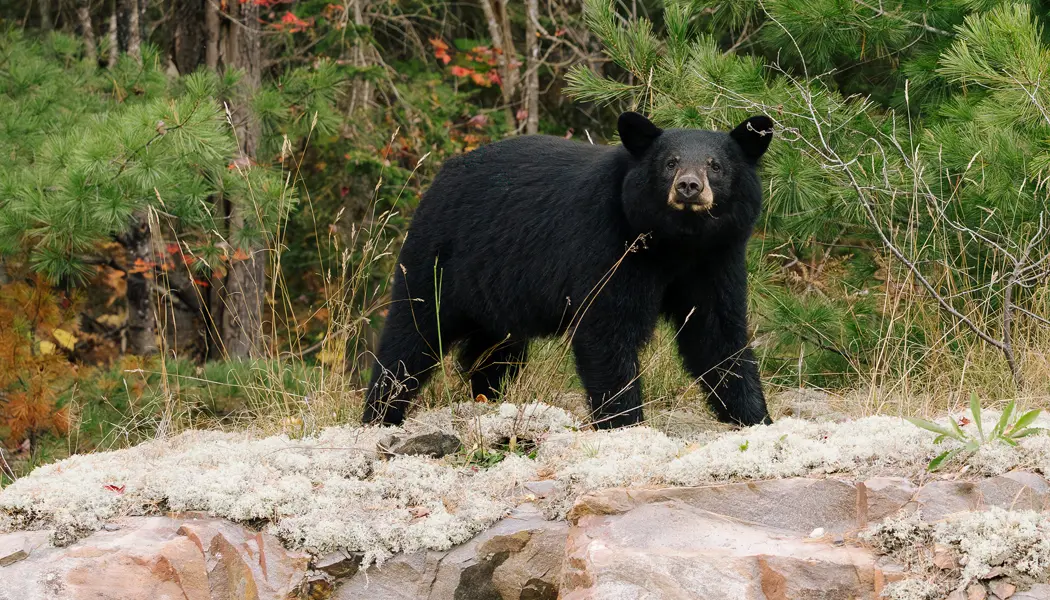
Some species, including reptiles, amphibians and black bears, emerge from hibernation. Others become more active as the seasons change and millions of migrating songbirds, shorebirds and ducks return from southern climates to stake Ontario breeding territories. As spring turns to summer, you may have the opportunity to view baby wildlife, such as newly born loons, deer and moose.
Spring arrives sooner in the southern parts of the province and later in the north. And the transition from winter is a gradual process—sometimes snow melts in March, but ice on the lakes can persist until May. Temperatures and weather conditions can vary from week to week and change quickly.
Check the weather and be prepared by bringing layers and waterproof clothing. Later in spring, bug protection will be necessary.
Iconic Canadian wildlife in Algonquin Provincial Park
Canada’s oldest provincial park is home to some of the most iconic Canadian wildlife, including moose, beavers and charismatic Canada jays.
Follow Me North offers custom Algonquin Park photography tours to help you appreciate and capture this great wildlife park as it reawakens in the spring.
Location: Algonquin Provincial Park
Wetland birds at Hilliardton Marsh Centre
Nature photographers and avid birders flock to this research and education nature preserve near Temiskaming Shores during the spring migration to spot rare and beautiful Ontario songbirds, hummingbirds and shorebirds.
On-site researchers open the doors to the public to observe bird banding, an integral part of tracking populations, from early May through late June.
Location: 952130, ON-569, Hilliardton
Migrating birds in Point Pelee National Park
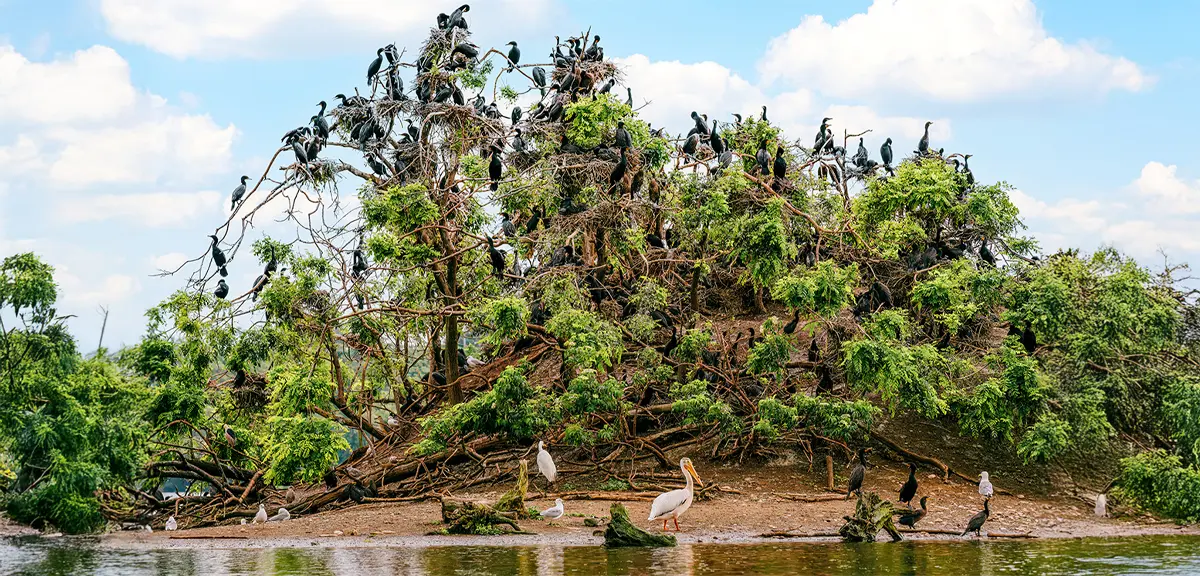
Located in the southernmost point on mainland Canada on Lake Erie, Point Pelee National Park is a key staging area for 350 bird species, including colourful songbirds and birds of prey.
The park boardwalks and viewing platforms contribute to the area’s recognition as a life-list destination for birders during the spring migration, from late April through early June.
Location: 1118 Point Pelee Drive, Leamington
Turtles and birds at Mer Bleue
This vast wetland conservation area, located a short distance from downtown Ottawa, is protected by the National Capital Commission.
Hike the Mer Bleue Bog Trail to learn about the essential ecosystem services bogs deliver while watching for basking painting turtles, bog-breeding palm warblers and other wetland specialists on an easy boardwalk trail.
Location: Ridge Road, Ottawa
Summer animal viewing adventures
With abundant food, warm temperatures and long hours of sunlight, summer is a time of plenty in Ontario’s wilderness. It’s the best time to see iconic species like loons and moose, or to plan a trip of a lifetime to remote northern destinations.
When you venture out at this time of the year, be sure to bring sun protection in both the form of clothing and sunscreen, and more water than you think you’ll need. Biting insects will still be bothersome early in the summer, particularly around dusk and dawn. It’s a good idea to bring bug spray and a bug shirt with you, just in case. Later in the summer, particularly in the north, evenings get cool quickly, so bring layers to keep warm.
Ontario Parks Discovery Programs
Keen naturalists and outdoor educators deliver fun interpretive Discovery Programs for visitors of all ages at Ontario Parks campgrounds across the province.
For example, you can sign up for a free program about nocturnal wildlife at the Agawa Bay Campground in Lake Superior Provincial Park, while Arrowhead Provincial Park, just north of Huntsville, features interpretive signs on many of its hiking trails.
Locations:
- Lake Superior Provincial Park, ON-17, Wawa
- Arrowhead Provincial Park, 451 Arrowhead Park Road, Huntsville
Moose in Algonquin Provincial Park
For a unique Ontario wildlife vacation, book a multi-day, guided wilderness canoe safari to photograph moose in Algonquin Park with Voyageur Quest and professional photographer Rob Stimpson. Algonquin Park remains one of the best places for wildlife photography in the province.
Location: Access Point #1, Algonquin Provincial Park
Loons in Killarney Provincial Park
Each June and August, volunteers at Killarney Provincial Park are invited to participate in the Canadian Lakes Loon Survey. This citizen science project involves paddling park lakes and counting loon sightings to track population dynamics, with the opportunity to capture some great images of loons and chicks.
Location: 960 Highway 637, Killarney
Polar bears at Cochrane Polar Bear Habitat
Visit a unique research, wildlife rescue and conservation station that hosts polar bears in the Northeastern Ontario community of Cochrane.
Book unique experiences such as photography, behind-the-scenes and crate training tours. Seasonal overnight camping facilities with propane barbecues, a gas stove, potable water and clean restrooms are available.
Location: 1 Drury Park Road, Cochrane
Whales, seals and shorebirds on James Bay
Ride the Ontario Northland Polar Bear Express passenger train from Cochrane to Moosonee. From there, you’ll need to arrange a guided boat tour from Moose Factory upriver towards Moose River Migratory Bird Sanctuary and the salt waters of James Bay.
Animals in this region include seals, beluga whales, shorebirds and waterbirds. Local operators include Creegonquin.
You’ll need ample time to plan and prepare for an adventure such as this, so start at least a year in advance.
Location: Moosonee
Wolves and caribou in Woodland Caribou Provincial Park
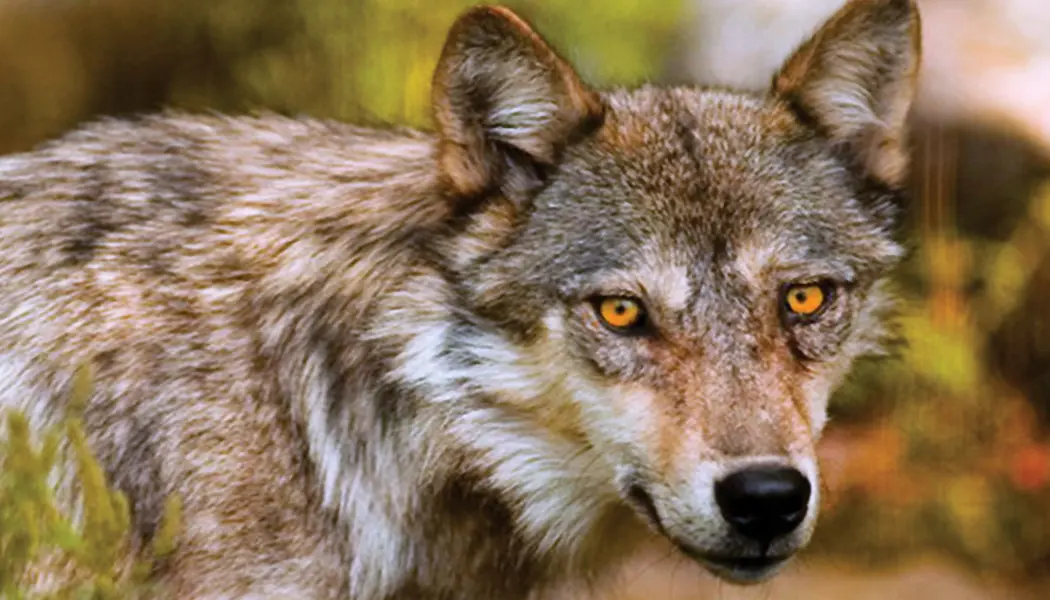
You stand a chance of being among the rare few to see a wolf in the wild on a guided multi-day canoe trip with Goldseekers Canoe Outfitting in Woodland Caribou Provincial Park, in Northwest Ontario.
Paddle and portage into one of Ontario’s most remote wilderness parks, experiencing boreal forest ecology and looking for wolves and equally elusive woodland caribou.
Location: 75 Forestry Road, Red Lake
Chapleau Crown Game Preserve
Over 700,000 hectares of Chapleau Crown Game Preserve in the heart of Algoma Country is renowned for exceptional wildlife viewing.
Species under wildlife protection include moose, beavers, foxes, wolves, waterfowl, loons, owls and a healthy population of black bears. Adventurous paddlers can sign up for a guided canoe trip on the Missinaibi River, which bisects the preserve, with MHO Adventures.
Location: Chapleau Crown Game Preserve
Birds of prey at Talon and Bark Falconry
Learn more about the fascinating biology of raptors and the art of falconry at Sudbury’s Talon and Bark Falconry. Hands-on, expert-guided workshops for ages eight plus allow you to get up close with native Ontario hawks and owls.
Location: Chelmsford (exact location provided after booking)
Raptors at Mountsberg Raptor Centre
Similar programs are available on weekends in July and August through the Conservation Halton Hawk Walk program at the Mountsberg Raptor Centre.
Locations: 2259 Milburough Town Line, Campbellville
Wildlife viewing with Happy Little Canoe Rides
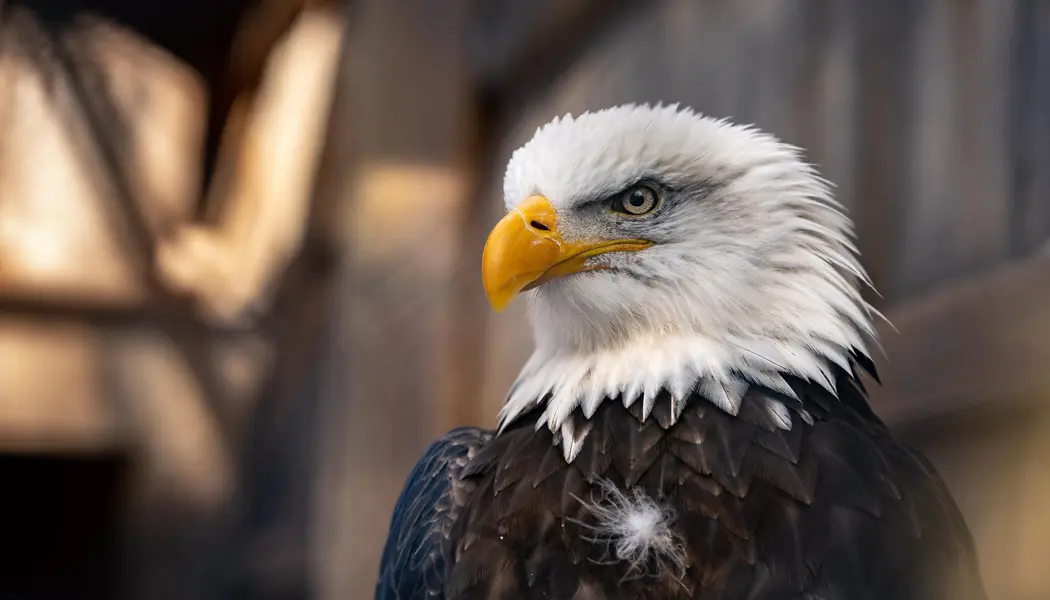
Explore the Ottawa River in Renfrew County on a guided photography canoe excursion. The region is home to aquatic and land animals and dozens of bird species, including bald eagles. The electric-propelled, solar-panelled canoe lets you focus on birding.
Location: 72 Lacroix Bay Road, Westmeath
Fall animal viewing experiences
Autumn in Ontario is a transitional season for wildlife.
While the fall colours peak, beavers, black bears, white tailed deer and more are busy preparing for winter. It’s a great time of year for wildlife encounters with the stunning, colourful backdrop.
However, you should also be aware that rutting (breeding) deer and moose may be aggressive at this time of year. Maintain a safe distance.
Fall is also hunting season. Identify which Wildlife Management Unit you’ll be visiting, and check the Ontario Hunting Regulations Summary to find out when the open season is for different game in that area. If you’re planning to spend time outside in wild spaces during hunting season, be sure to wear blaze orange. Better yet, visit places where hunting isn’t permitted—provincial parks and conservation areas typically don’t allow hunting, but be sure to check the rules and regulations before heading out.
Just like with spring, the weather in the fall can vary greatly and change quickly. Early fall can be warm and summer-like, while late fall, particularly in the north, can bring snow squalls and freezing temperatures. Always head out prepared for cold and wet weather.
Wolves in Haliburton Forest & Wild Life Reserve
Haliburton Forest is a privately owned, sustainable forest and wilderness area that offers outdoor adventures such as hiking, canopy tours and the renowned Wolf Centre.
Dedicated to conservation of and education about Canadian wolves, the facility features a large indoor observatory overlooking the forested enclosure, home to an alpha pair of wolves and their siblings and offspring.
Stay overnight by reserving a cozy holiday cabin once used by 19th-century loggers.
Location: 1305 Redkenn Road, Dysart
Ghost moose in Ivanhoe Lake Provincial Park
Sightings of white-coloured moose have been reported west of Timmins, near the small community of Foleyet. The rare colour of the “spirit” or “ghost” moose results from a recessive gene. Because hunting the spirit moose is prohibited, numbers are growing.
Car, group and seasonal camping are available at Ivanhoe Lake Provincial Park until the third weekend of September.
Location: 170 Ivanhoe Lake Road, Foleyet
Deer at the Loring-Restoule Deer Yard
White-tailed deer are Ontario’s most abundant deer species and can be spotted across the province. Tens of thousands traditionally congregate in the Loring-Restoule Deer Yard, making up one of the largest herds in the province.
This unique viewing experience north of Muskoka in Almaguin Highlands features 3.6 kilometres of trail systems on Crown land around stunning wetlands with interpretive signage maintained by local volunteers.
Location: 796 Little River Road, Loring-Restoule
Bird watching at Sleeping Giant and Long Point
Though they are located in opposite corners of the province, Sleeping Giant and Long Point provincial parks have much in common when it comes to Ontario bird watching during the fall migration.
Sleeping Giant is best for adventurous hikers, with rugged trails leading to the remote bird observatory at Thunder Cape. Long Point is more compact, so it’s easy for everyone to witness the splendours of autumn at one of the largest bird and waterfowl migration and staging areas in North America. Book a glamping pod, wilderness suite or cabin at Long Point Eco-Adventures.
Locations:
- Sleeping Giant, Highway 587, Pass Lake
- Long Point, 350 Erie Boulevard, Port Rowan
Winter animal sightings
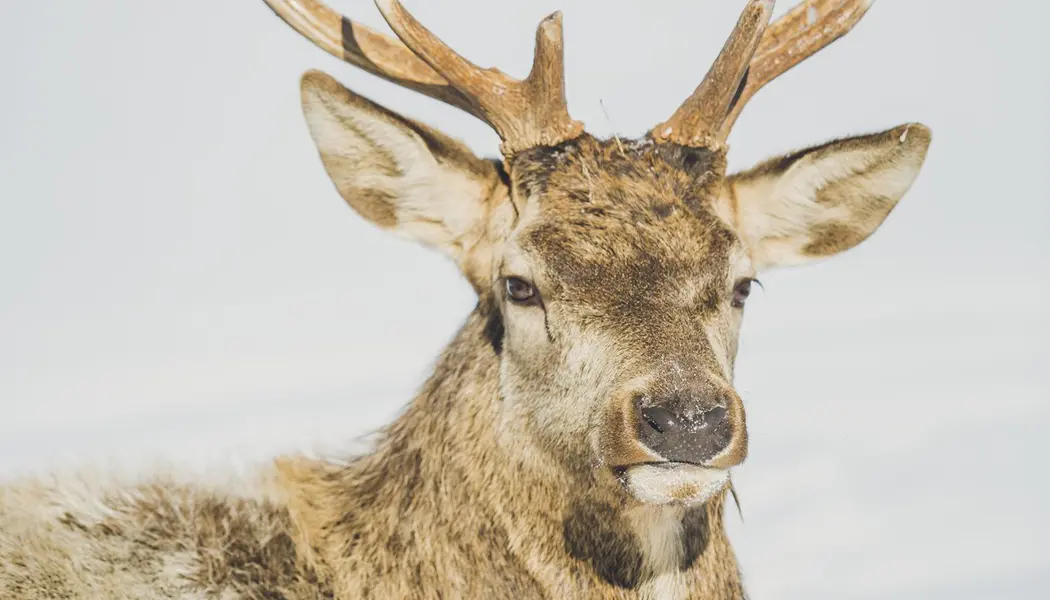
Not all of Ontario’s furry or feathered inhabitants hibernate or migrate when the temperatures dip. Wolves, owls and many other species remain active throughout the winter season. Footprints in the snow provide clues of wildlife movement and a lack of leaves on the trees improves visibility.
Winter weather can prove dangerous to those who venture out unprepared. Ensure you are wearing appropriate clothing for the season: warm layers, a waterproof shell, waterproof boots, a hat and waterproof mittens or gloves. Snowshoes may be necessary, depending on snow depth. Crampons that fit over winter boots are a great investment to help you grip on icy trails. The sun reflecting off the snow can be blinding and cause sunburn—sunglasses and sunscreen are still necessary in the wintertime.
Getting snow tires and keeping emergency equipment in your vehicle are essential for winter safety. It’s recommended to keep warm clothing, water, food and a shovel, among other items, in your vehicle in case you get stranded.
Bison, elk and wolves at Cedar Meadows Resort
One of Northern Ontario’s finest resorts features an expansive wilderness park home to bison, elk and fallow deer.
Join the daily wilderness tours to get up close and personal with these majestic creatures from a tractor-drawn wagon. You may even get the chance to hand-feed some of the animals.
In addition, Cedar Meadows offers a one-of-a-kind Sleeping with the Wolves experience. Stay in cozy accommodations with views into the wolf reserve.
Location: 1000 Norman Street, Timmins
Wildlife in Killarney, Quetico and Algonquin
Ontario Parks provide critical year-round habitat for countless species of wildlife and many are open for year-round outdoor adventures.
Tracks left in the snow reveal the presence of the elusive moose, deer, wolves, martens and bobcats that make Killarney Provincial Park home. George Lake Campground remains open, with several heated yurts and cabins for comfortable winter accommodations.
Meanwhile, the Northwest Ontario woods of Quetico Provincial Park shelter moose, foxes, martens, snowshoe hares and great grey and barred owls. Cabin accommodations are available at the Dawson Trail Campground.
Algonquin Provincial Park offers a wide range of winter activities and accommodations, as well as a tally of recently observed avian species on the Park’s birding report.
Locations:
- Killarney Provincial Park, 960 Highway 637, Killarney
- Quetico Provincial Park, Highway 11, Atikokan
- Algonquin Provincial Park, Highway 60, Algonquin Provincial Park
Animal tracks in Wye Marsh Wildlife Centre
This outdoor learning centre celebrates the wetlands of Central Ontario with 25 kilometres of year-round trails. Visit in winter and sign up for a naturalist-led snowshoe hike to learn how to read animal tracks in the snow.
Location: 16160 Highway 12 East, Midland
Wildlife photography tips and gear
Your smartphone takes great portrait and landscape photos, but it’s likely not enough for serious wildlife photography.
What is the best camera for wildlife photography? Investing in a mirrorless or SLR digital camera will give you access to a wide range of interchangeable lenses, including zoom and telephoto lenses that are essential for capturing wildlife from a respectful and safe distance.
When it comes to the best lens for wildlife photography, a 200-millimetre lens is considered the bare minimum for capturing images of animals. A 300- or 400-millimetre prime lens, or a versatile 200- to 400-millimetre zoom lens, is better yet if you’re serious about wildlife photography. These lenses are heavy and harder to use handheld. Some models include built-in image stabilization, but using a tripod for wildlife photography is always a good idea.
Just as landscape photographers emphasize the “magic hours” of dawn and dusk, these times of day also align with increased wildlife activity.
Safe and ethical wildlife viewing
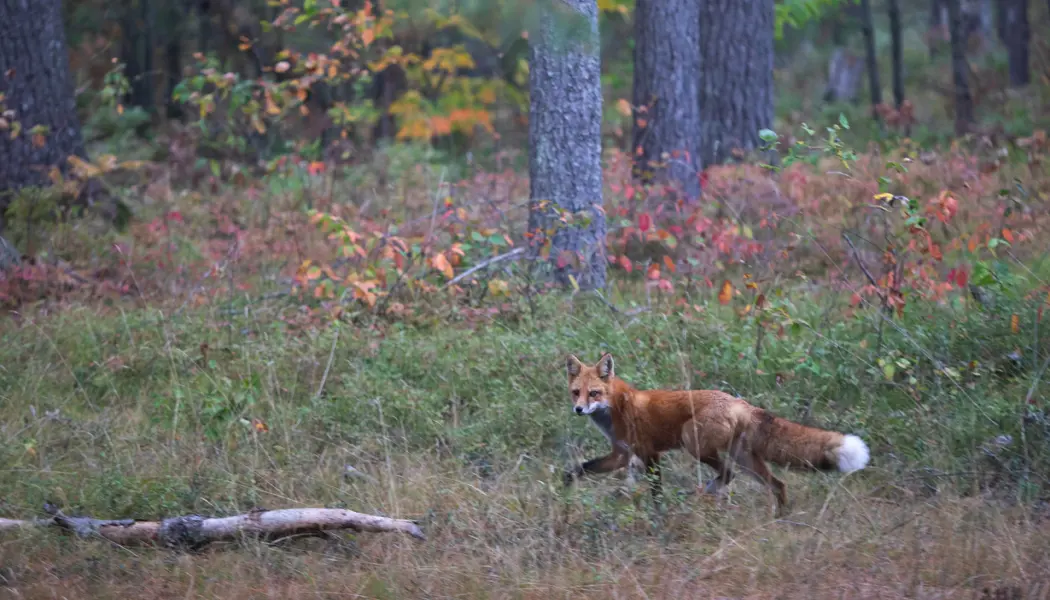
Wildlife viewing encourages us to slow down, notice details and become more connected to nature.
Do not bait, lure or feed wildlife. This leads animals to become habituated, which is possibly dangerous and unethical. Similarly, harassing wildlife by following too closely is dangerous to you and stressful for the animal. Using recordings to attract bird species can change their behaviour and expose them to predators.
Adhere to Leave No Trace principles when observing wildlife, such as staying on established trails to avoid damaging habitat.
Often, wildlife viewing opportunities occur along roadsides. Before you reach for your camera, be sure there’s room to pull over safely, turn on your hazard lights and be aware and respectful of other traffic. Do not approach roadside wildlife.
Wildlife viewing and photography are most rewarding when they are practiced with respect, skill and patience. Read Ontario Parks’ etiquette guide for wildlife photographers.
There’s a lifetime worth of wildlife viewing opportunities in Ontario. Each season has its own rewards, and each region has its own unique array of habitats and species. Whether you’re a birder or a photographer, parent or adventure enthusiast, taking your time to study nature allows you to make meaningful connections with the environment.
Last updated: August 21, 2026